

Evergreen Trio: The Recipe That Ahead of Its Time
In 2012, talking about sustainable cuisine was anything but a given. Fighting waste and valorizing “imperfect” or less noble ingredients were still rarely discussed. But even then, with Tris Evergreen , I sensed how those concepts—now central to gastronomic culture—were destined to become the heart of contemporary cuisine.
This recipe was born in the context of the Gnammo Contest , a competition that combined creativity and conviviality. On Gnammo—the platform I used at the time to launch the concept of social eating in Italy—I was among the first to propose the table as a shared experience, well before it became a widespread trend.
The Evergreen Trio is much more than a combination of three tastings: it’s a statement of intent. Three small dishes that emphasize the beauty of reuse, demonstrating that with creativity and awareness, you can create quality cuisine even with what’s usually thrown away.
One recipe, three ideas to give new life to ingredients
1. Broad Bean Flan with Greek Yogurt Cream and Mint
The idea: the pods that surround the fava beans, usually discarded, became the green and flavorful base for a soft and fragrant flan. After steaming, I blended them into a creamy mixture, enriched with cream and parmesan. The whole thing is accompanied by a fresh yogurt and mint sauce.
2. Cold Mousse with Fennel Scraps and Orange Zest
The idea: I cooked the fibrous outer leaves of fennel—often considered useless—and blended them with potatoes to create a velvety mousse. The julienned orange zest adds a surprising citrusy and aromatic touch.
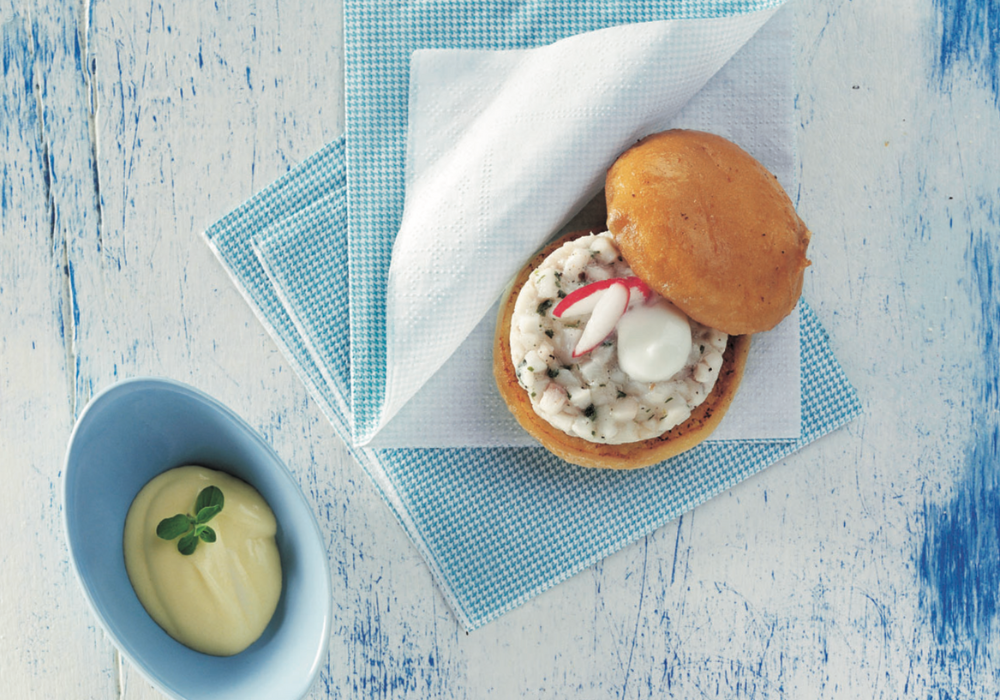
3. Buffalo Mozzarella Tartare with Raw Asparagus Salad
The idea: Thinly sliced raw asparagus stalks become a crisp, vibrant salad paired with buffalo mozzarella. Toasted almond flakes add crunch and recall the rustic flavor of these simple ingredients.
A recipe, an insight, three anti-waste ideas: The Evergreen Tris demonstrates how recycled cuisine isn’t a stopgap, but an aesthetic and ethical choice that values raw materials in their entirety. A visionary approach, born well before “circular cuisine” became a catchphrase.